





Interior Design as a Part of Brand Identity
For international brands, visual consistency is especially important.
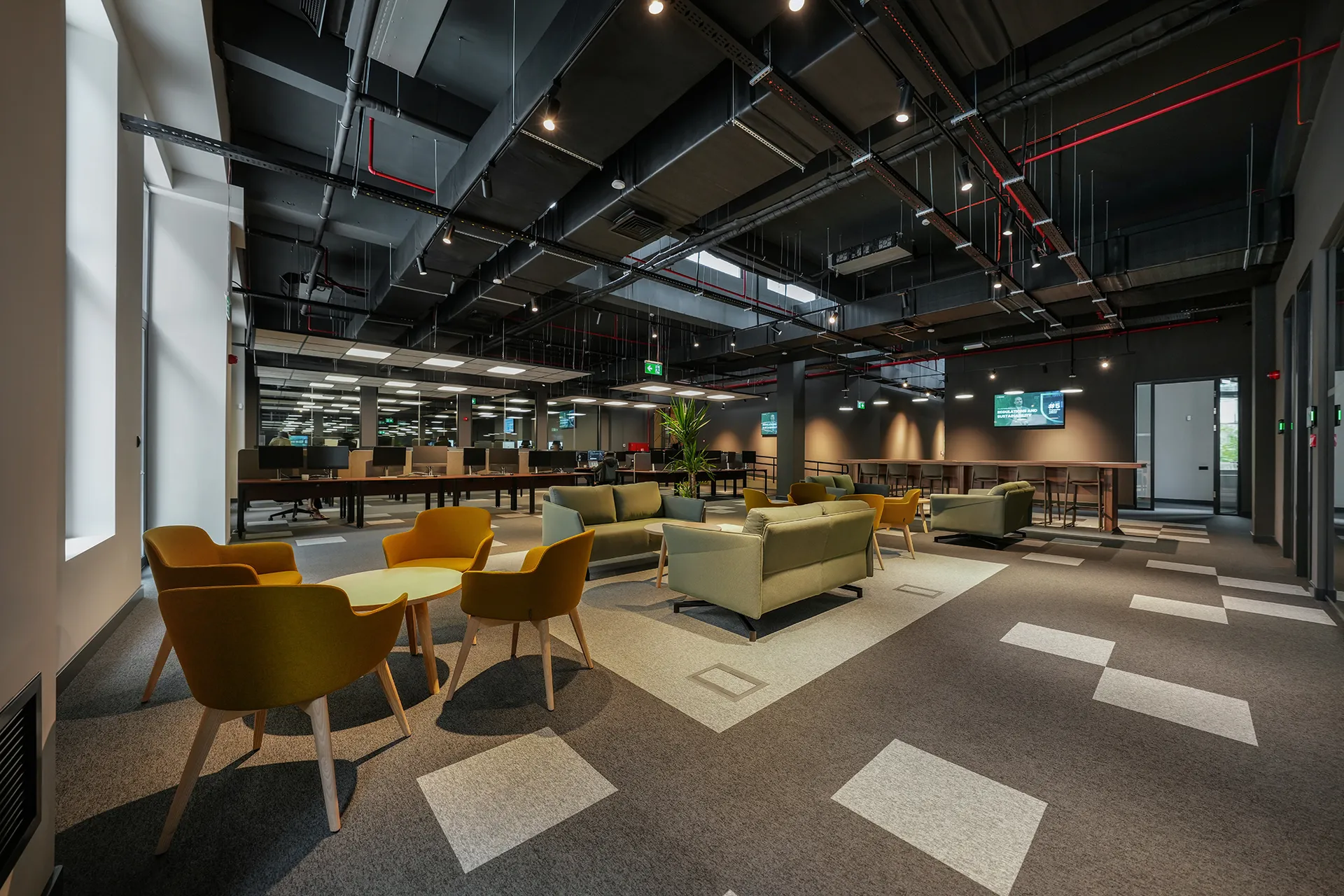
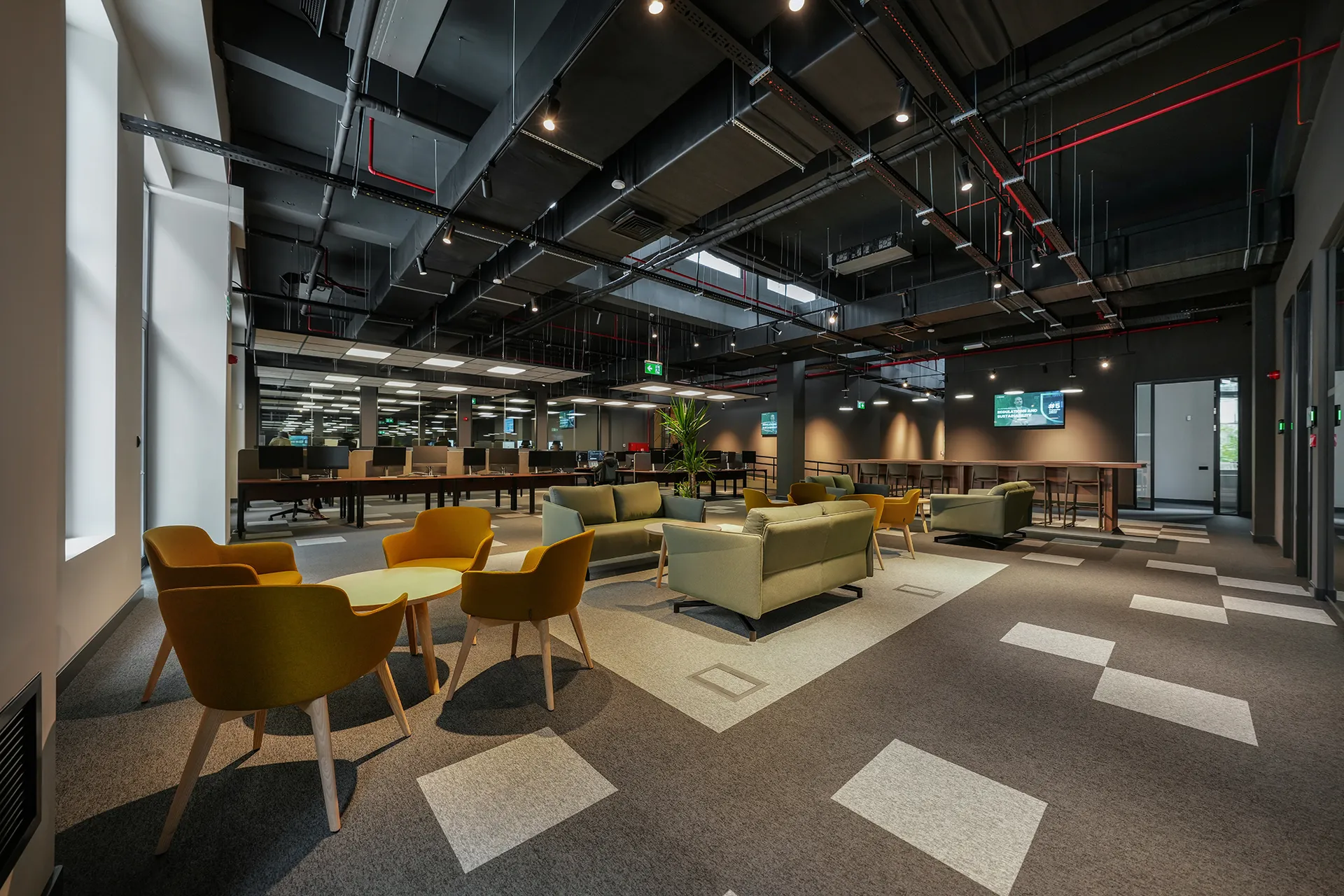
Today, a brand is no longer defined solely by its logo or colors — it is an experience that people feel the moment they enter a space. For this reason, interior design has become an essential component of brand identity, playing a significant role in how a company is perceived.
For example:
minimalist design is often associated with technological and innovative brands;
natural materials and warm tones create a sense of trust and comfort;
bold geometry and contrasting colors express dynamism and energy.
Consistency Across All Spaces
For international brands, visual consistency is especially important. Customers should experience a familiar environment in the same brand’s spaces anywhere in the world.
To achieve this, interior design considers:
the brand’s color palette;
standards for materials and textures;
placement of visual elements;
the logic of user movement within the space.
Brand identity is not expressed through visuals alone. Functionality, comfort, and user experience directly reflect a company’s attitude toward people. A well-designed interior integrates aesthetics, functionality, and brand values into a unified system. The result is an environment that is not only visually distinctive but also memorable.
In this way, interior design becomes an invisible yet powerful tool that strengthens brand identity and creates a cohesive, lasting experience.